Electrical Installation Condition Reports (EICRs) Eastbourne
CT Electrical Contracting provides Electrical Installation Condition Reports (EICRs) for homeowners, landlords and businesses across Eastbourne and East Sussex.
Our EICR inspections assess the safety and condition of your electrical installation, helping ensure compliance with current regulations and identifying any defects that may require attention.
Following the inspection, you’ll receive a detailed report and certificate outlining our findings and any recommended remedial works.
What is an EICR?
An EICR (Electrical Installation Condition Report) is a thorough inspection of your electrical installation.
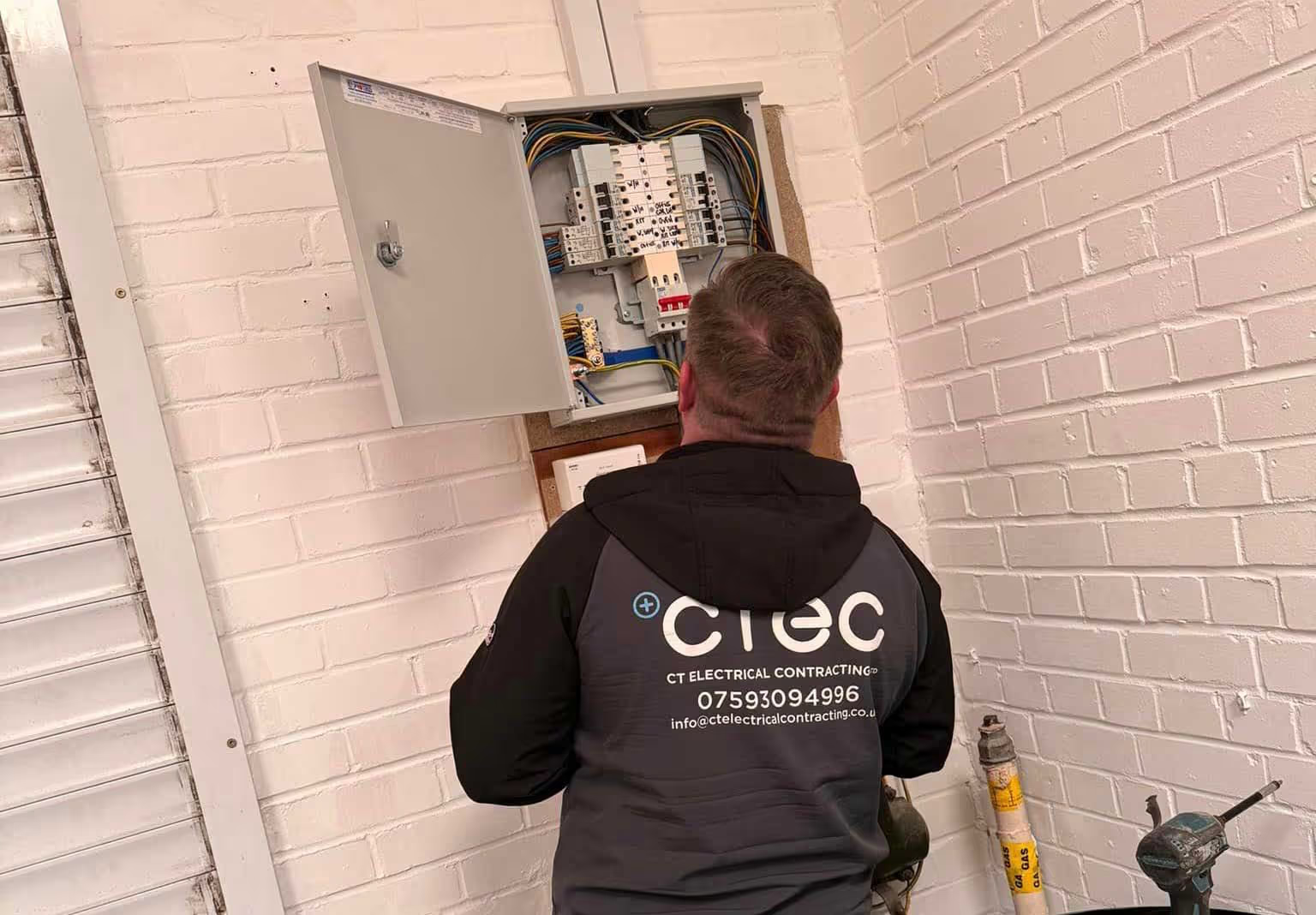
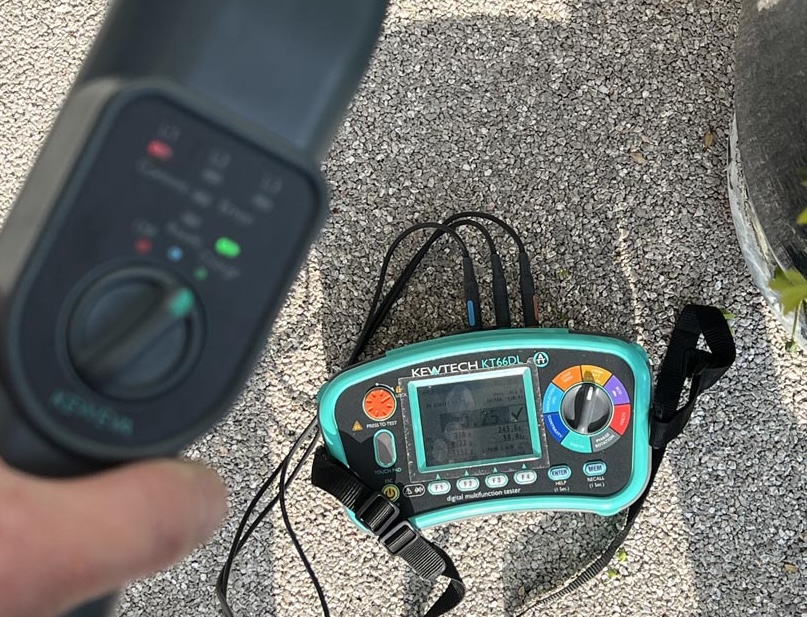
The process involves a visual inspection of the electrical system, checking for damage and deterioration to the accessories and wiring, after the visual inspection we then carry out electrical tests on each and every circuit to get a suitable understanding of the condition of the electrical installation. At the end of the inspection, we will provide a full certificate detailing our findings which you can then provide to any necessary parties, for example, Insurance Companies, Mortgage Lenders, Estate Agents etc.
Who Needs an EICR?
Homeowners
An EICR helps ensure your home’s electrical installation remains safe and in good condition. For owner-occupied properties, inspections are generally recommended every 10 years, or when purchasing a property. Regular testing can identify potential issues before they develop into safety hazards or costly repairs.
Landlords
Landlords have a legal responsibility to ensure the electrical installations within their rental properties are safe. Current regulations require an EICR check to be carried out at least every 5 years, with a valid report provided to tenants when required. We provide landlord EICRs throughout Eastbourne and the surrounding areas.
Businesses
Businesses have a duty to maintain safe electrical systems for employees, customers and visitors. An EICR test helps identify potential electrical risks, supports compliance with health and safety obligations, and provides peace of mind that your installation is operating safely and efficiently.
EICR FAQs
How Much Does an EICR Cost in Eastbourne?
The cost of an EICR in Eastbourne depends on the size of the property, the number of circuits, and the complexity of the electrical installation. Smaller properties generally take less time to inspect than larger homes or commercial premises.
How Long Does an EICR Take?
Most domestic EICRs take between 2 and 4 hours to complete, although larger properties or commercial installations may take longer. Once the inspection and testing have been carried out, you’ll receive a detailed Electrical Installation Condition Report outlining the condition of your electrical system and any recommendations for remedial work.
Is an EICR a Legal Requirement?
An EICR is a legal requirement for landlords in England, with inspections typically required at least every five years. While homeowners are not legally required to have an EICR, regular inspections are strongly recommended to ensure the safety of the property’s electrical installation. Businesses also have a duty to maintain electrical safety and may require periodic inspections to meet health and safety obligations.
What Happens If My EICR Is Unsatisfactory?
If your EICR is classified as unsatisfactory, it means that one or more issues have been identified that require attention. These may range from danger present faults to installations that do not meet current safety standards. We will explain any observations recorded on the report and provide a clear quotation for any remedial works required to bring the installation up to a satisfactory standard.
How Often Should an EICR Be Carried Out?
For most owner-occupied homes, an EICR in Eastbourne is recommended every 10 years. Rental properties should typically be inspected every 5 years or at the start of a new tenancy, whichever comes first. Commercial properties may require more frequent inspections depending on the type of premises and how the electrical installation is used. Regular testing helps identify potential issues before they become safety hazards.